
Mechanically Stabilized Earth (MSE) Retaining Walls
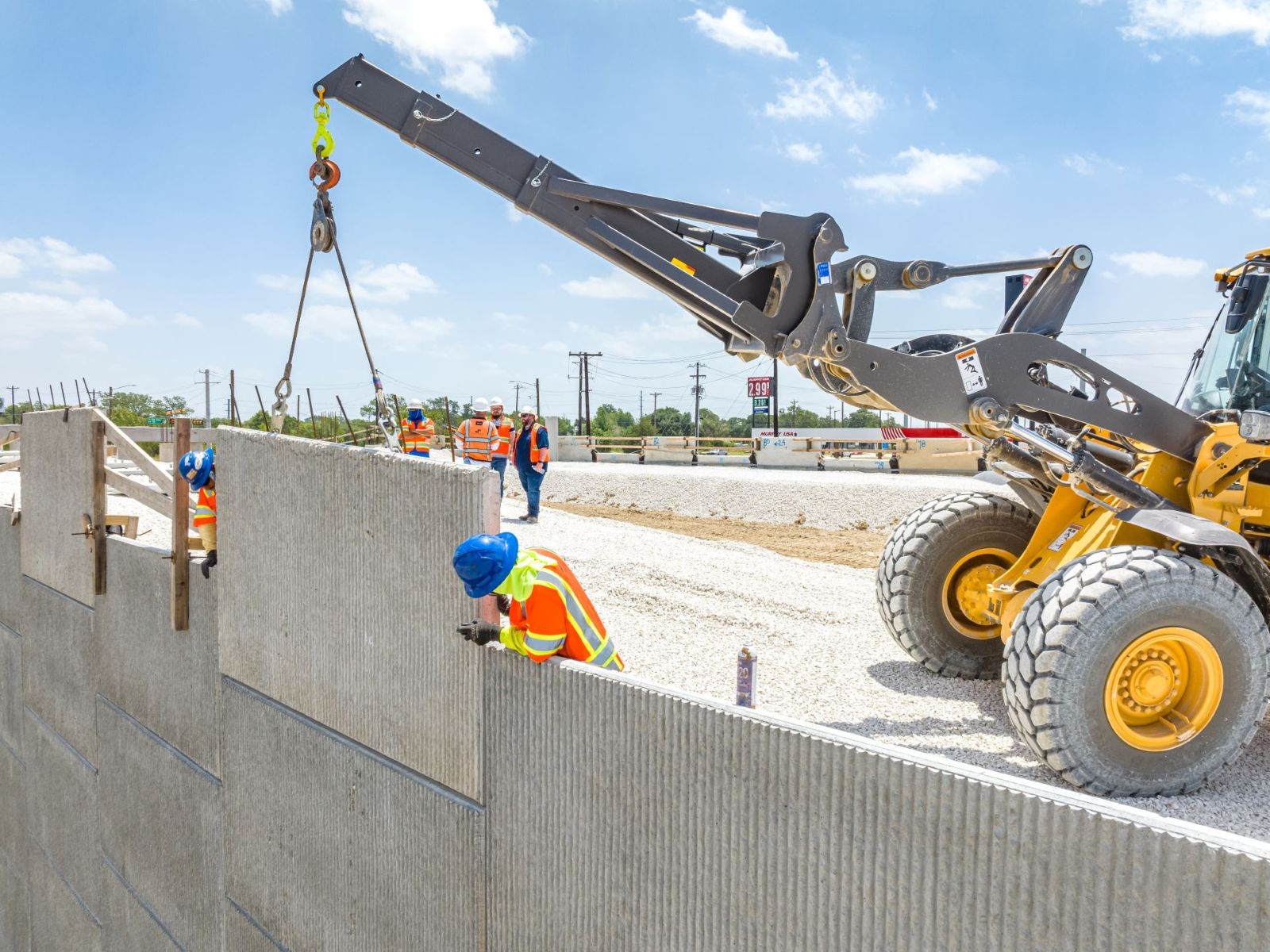
Geoquest USA delivers proven MSE wall systems built to perform in a wide range of conditions. These walls offer exceptional constructability, durability, and load-bearing capacity. From roadway embankments to bridge abutments to industrial and commercial sites, our experienced teams work with you to configure every wall to your project’s specifications, site constraints, and aesthetic vision.
What Are MSE Retaining Walls?
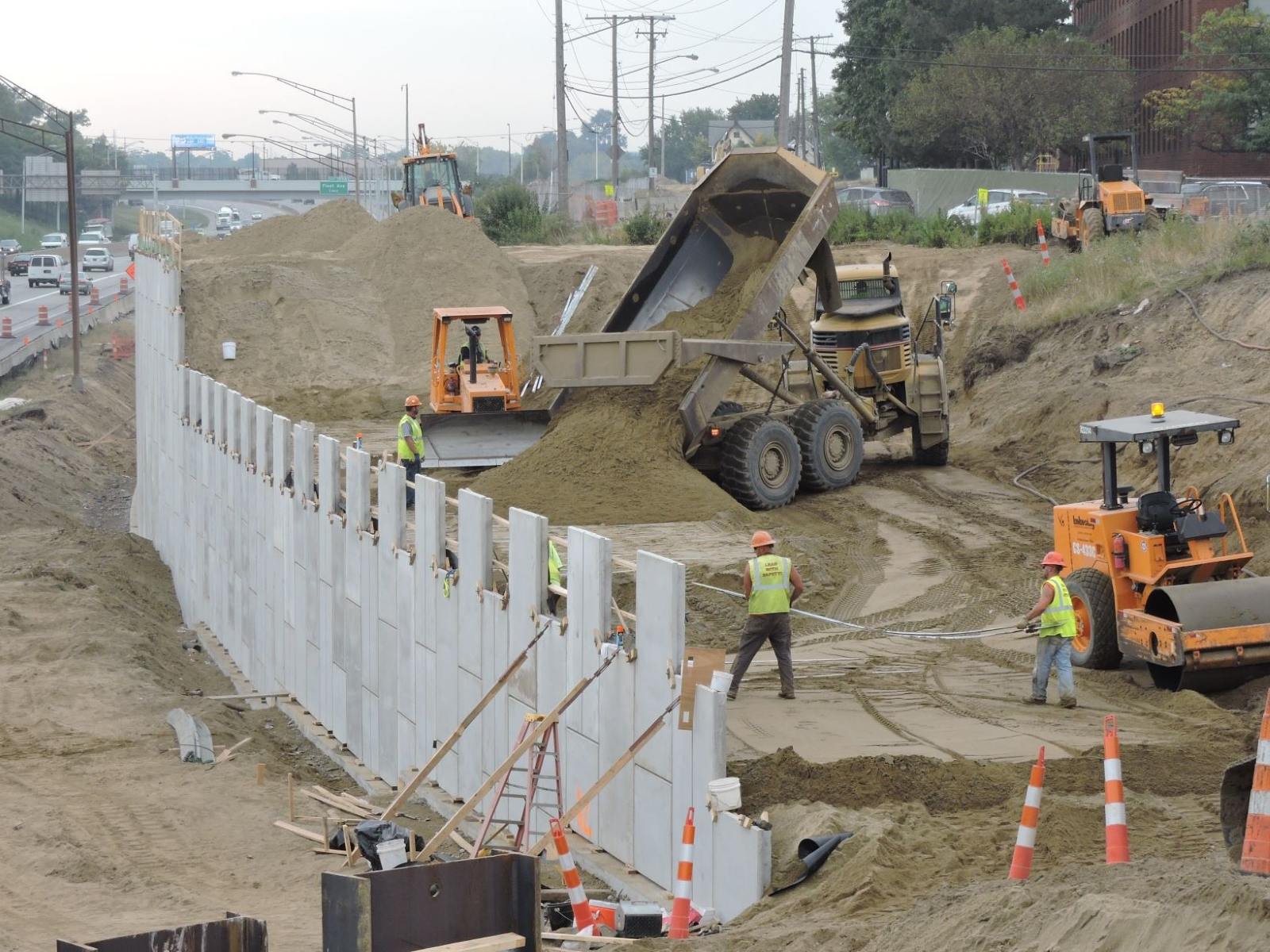
Mechanically stabilized earth walls are engineered systems that use a combination of facing elements, soil reinforcements, and select backfill to create a coherent gravity retaining wall structure. When the engineering team at Geoquest USA designs your MSE walls, we focus on three essential components:
- Facing elements: The visible portion of the wall is typically constructed from precast concrete or wire mesh. Facings can range from standard architectural finishes to fully customized aesthetics.
- Soil reinforcements: Reinforcements are constructed with high-strength steel or geosynthetic strips or ladders. These elements interact with the backfill to form a reinforced soil mass capable of supporting substantial loads.
- Backfill: The best backfill varies by project, but commonly includes granular soils, recycled materials, LDCC, or lightweight aggregate for special applications.
Our MSE Wall Solutions
Whatever your application, we can deliver a reliable solution engineered for the project. Each variation of our MSE systems can provide benefits to construction, cost, and performance depending on the project’s needs:
The Effect of Reinforcements on Soil Deformation
The properties and materials of the three major components can vary, and a mechanically stabilized earth engineer must choose the most efficient combination of construction materials based on the wall’s design criteria, such as wall height and service life. Each of these elements works together to create an MSE retaining wall.
Facing Elements
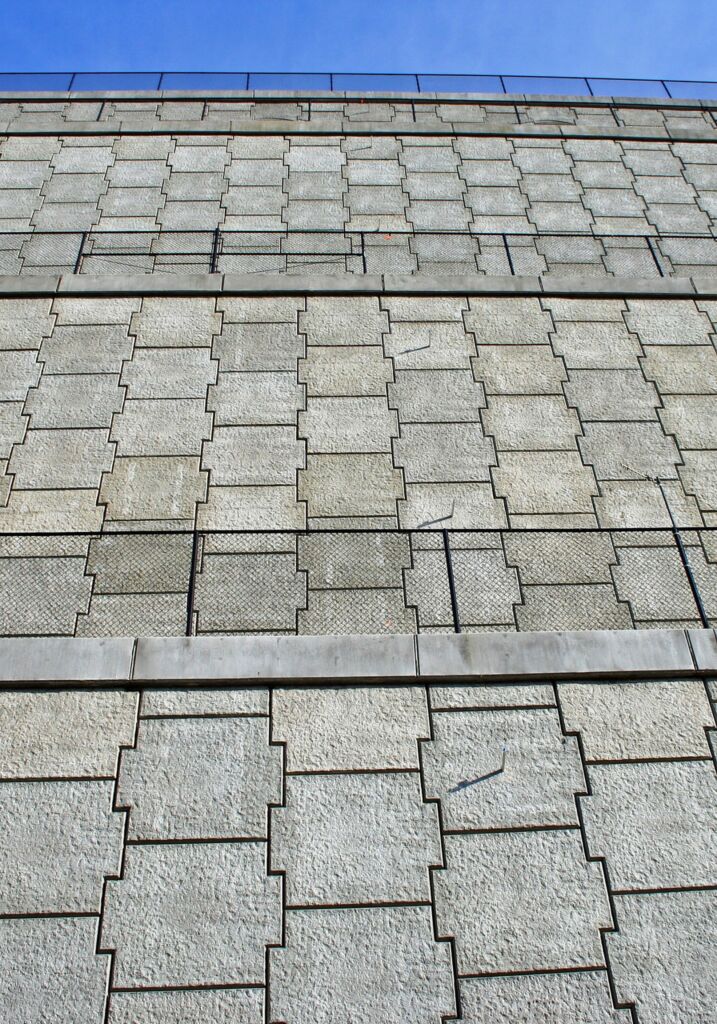
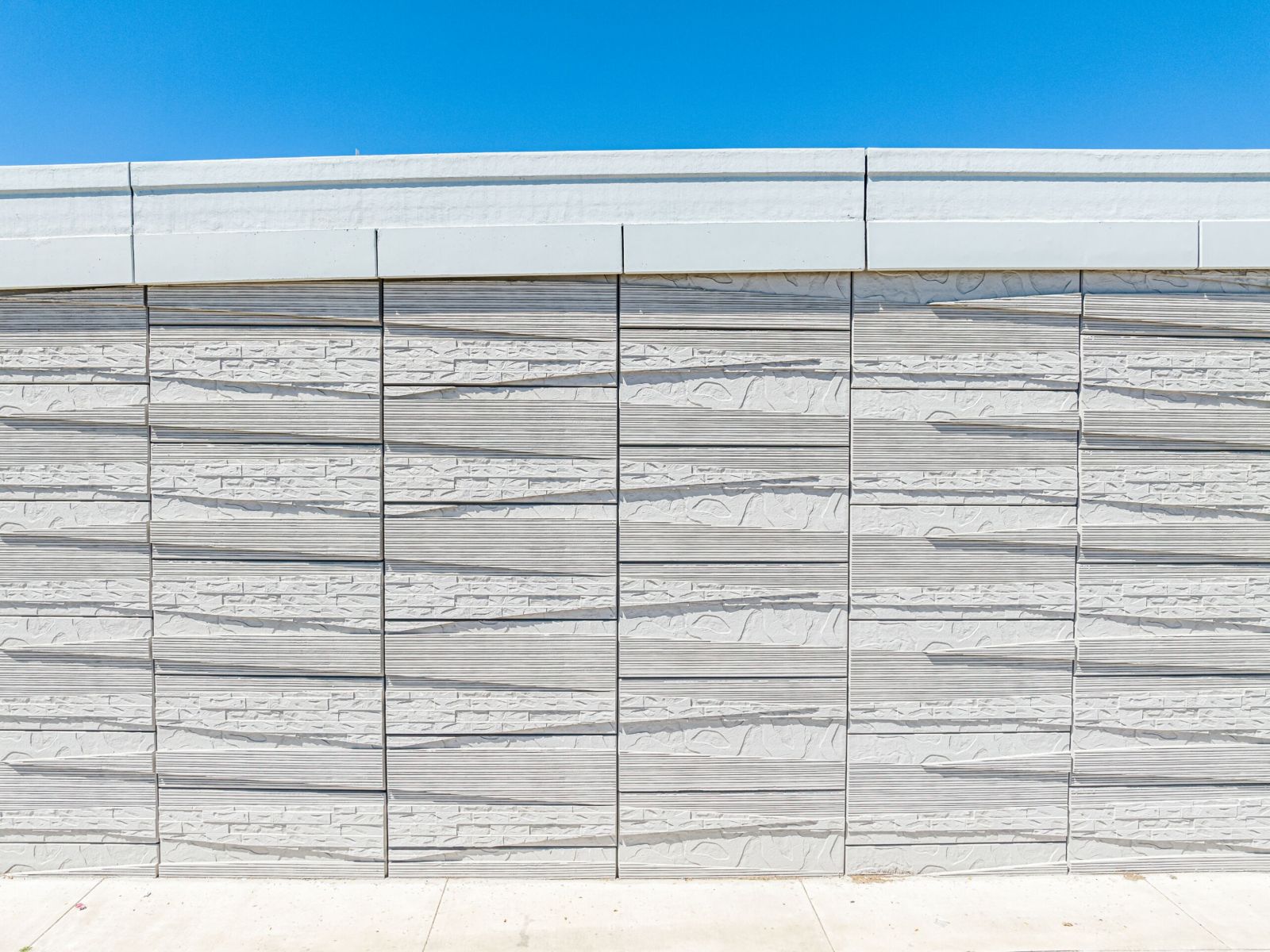
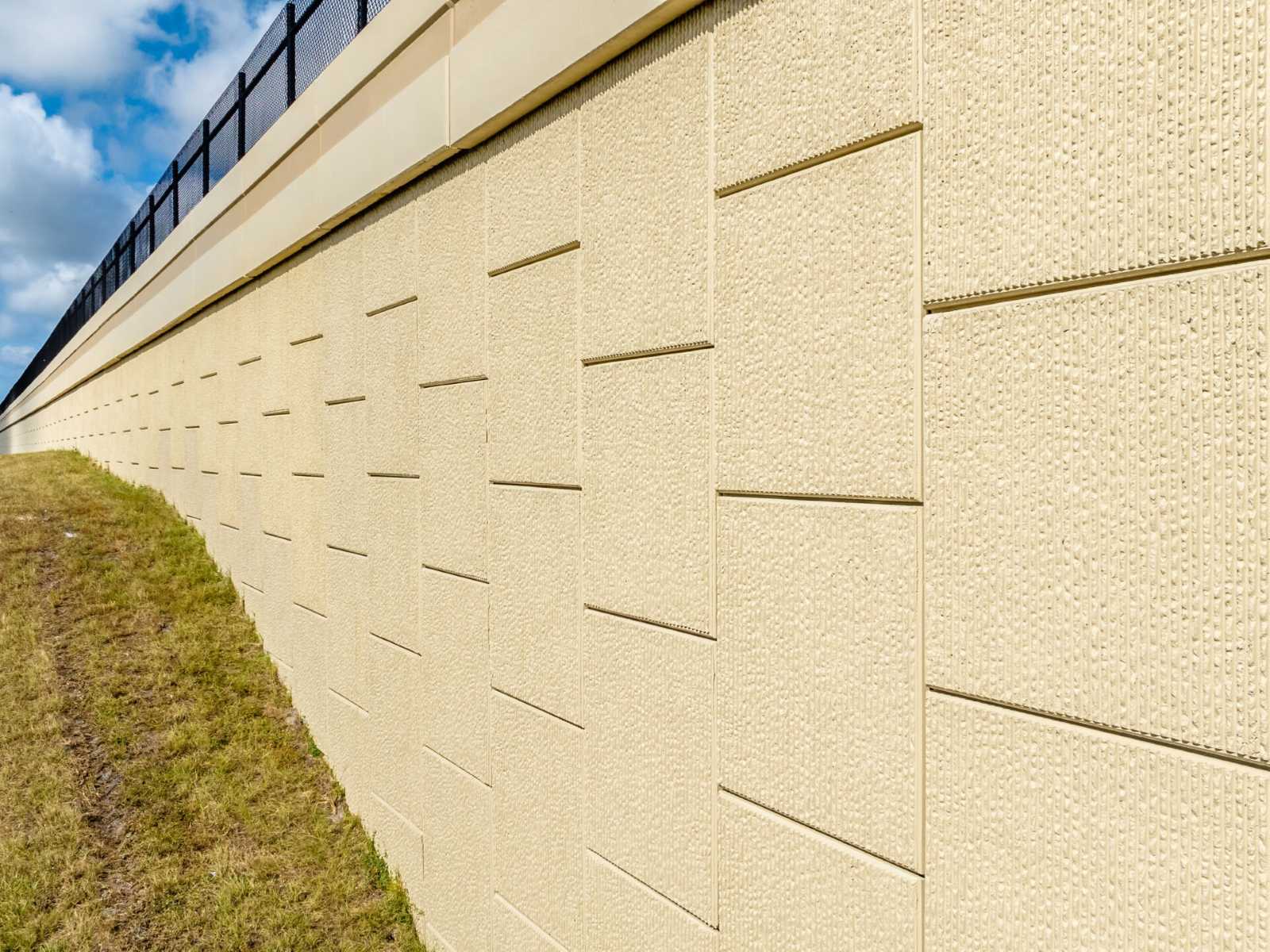
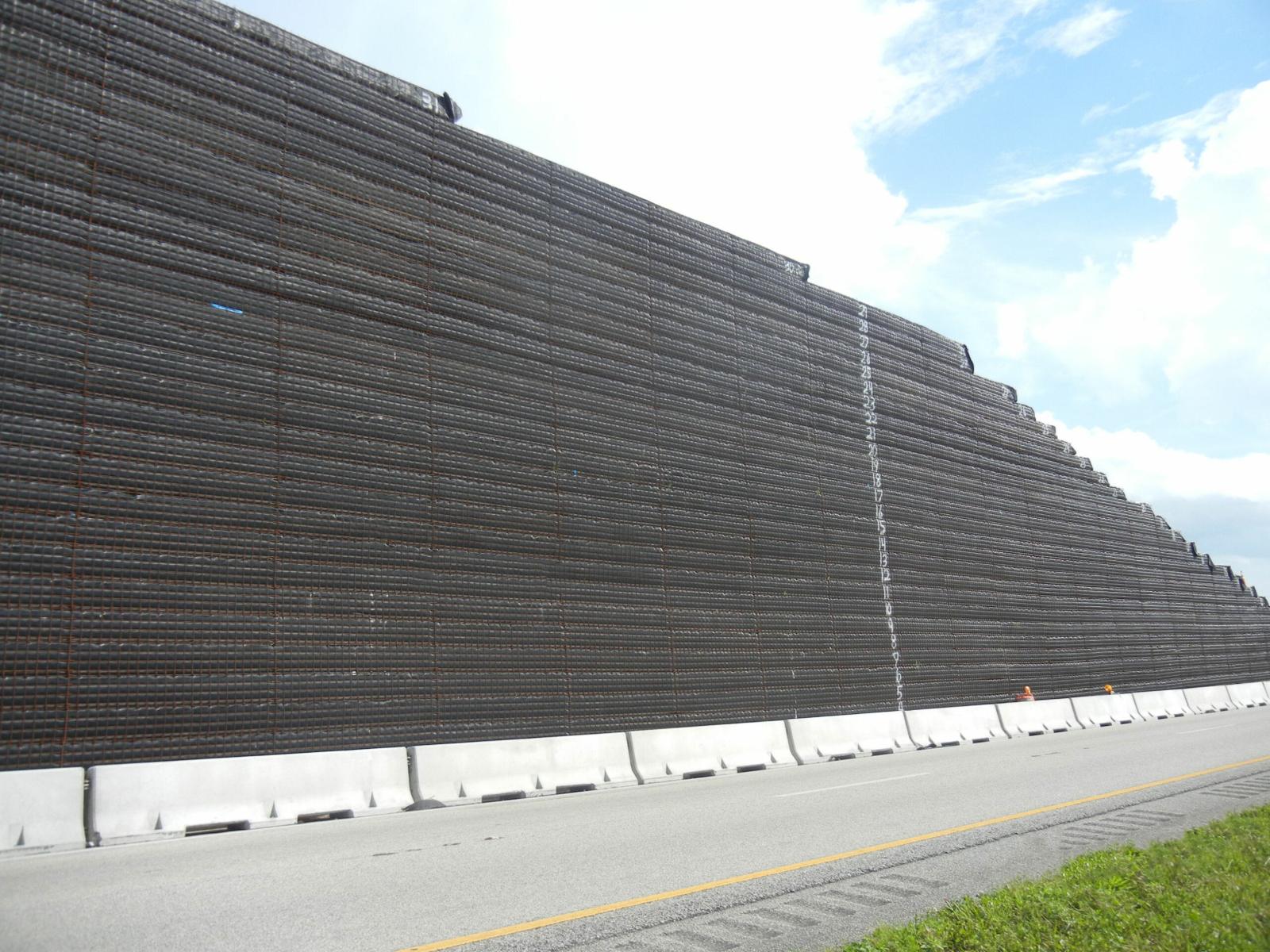
Facing elements are modular precast concrete panels or wire mesh. Each facing type offers different advantages when considering criteria such as aesthetics, durability, construction procedure and expected settlement.
Concrete Panels:
- A variety of shapes
- Thickness varies as needed for architectural finishes, walls with extreme heights, or other applications yielding high bending moments
- Embedded connections for soil reinforcements
Wire Mesh Panels and Baskets:
- Galvanized or black steel
- Temporary or permanent wall applications
- Additional accessories for soil reinforcement connection
Cruciform (5’x5′)
Rectangular (5’x10′)
Square (5’x5′)
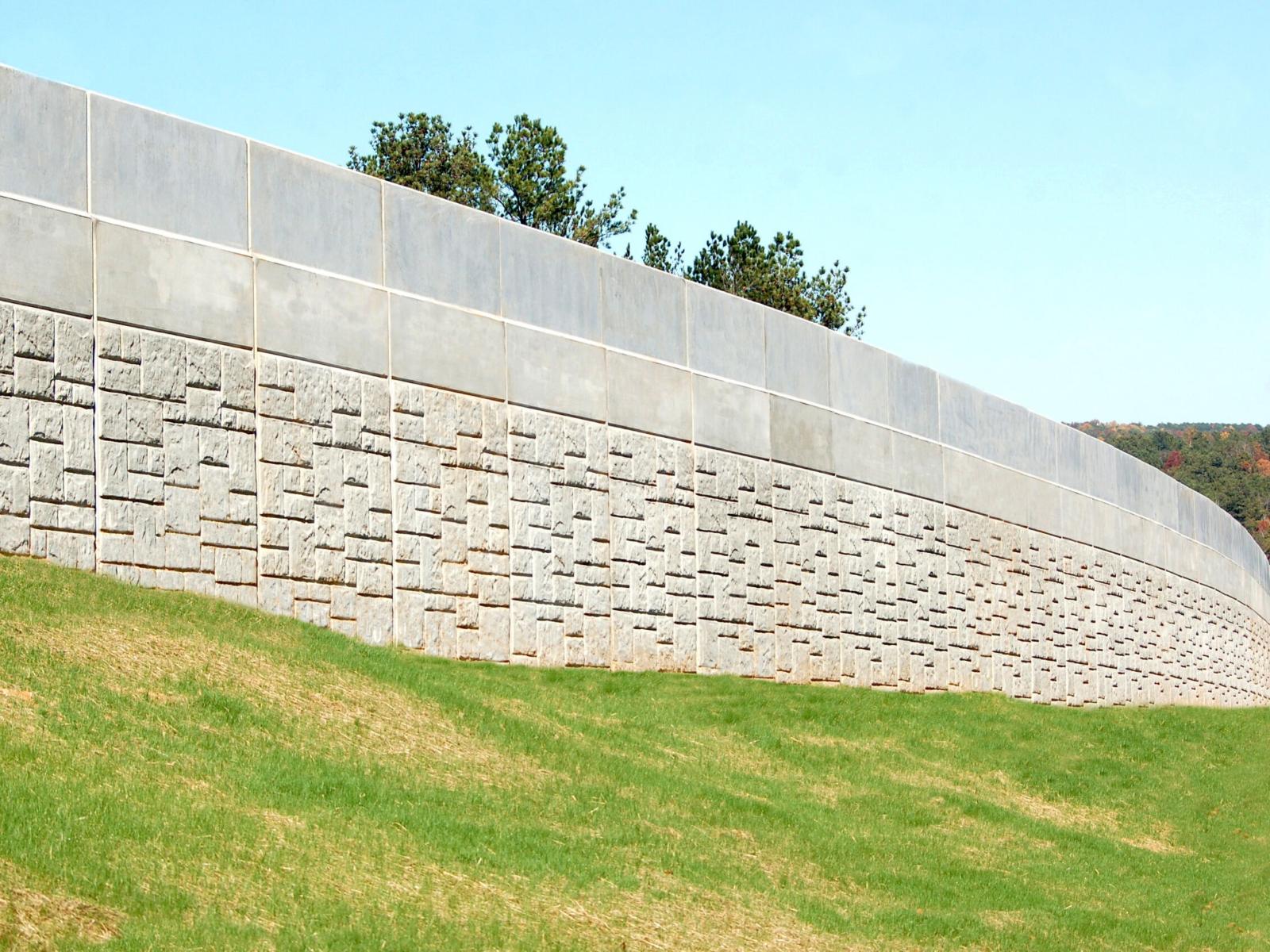
Sloped
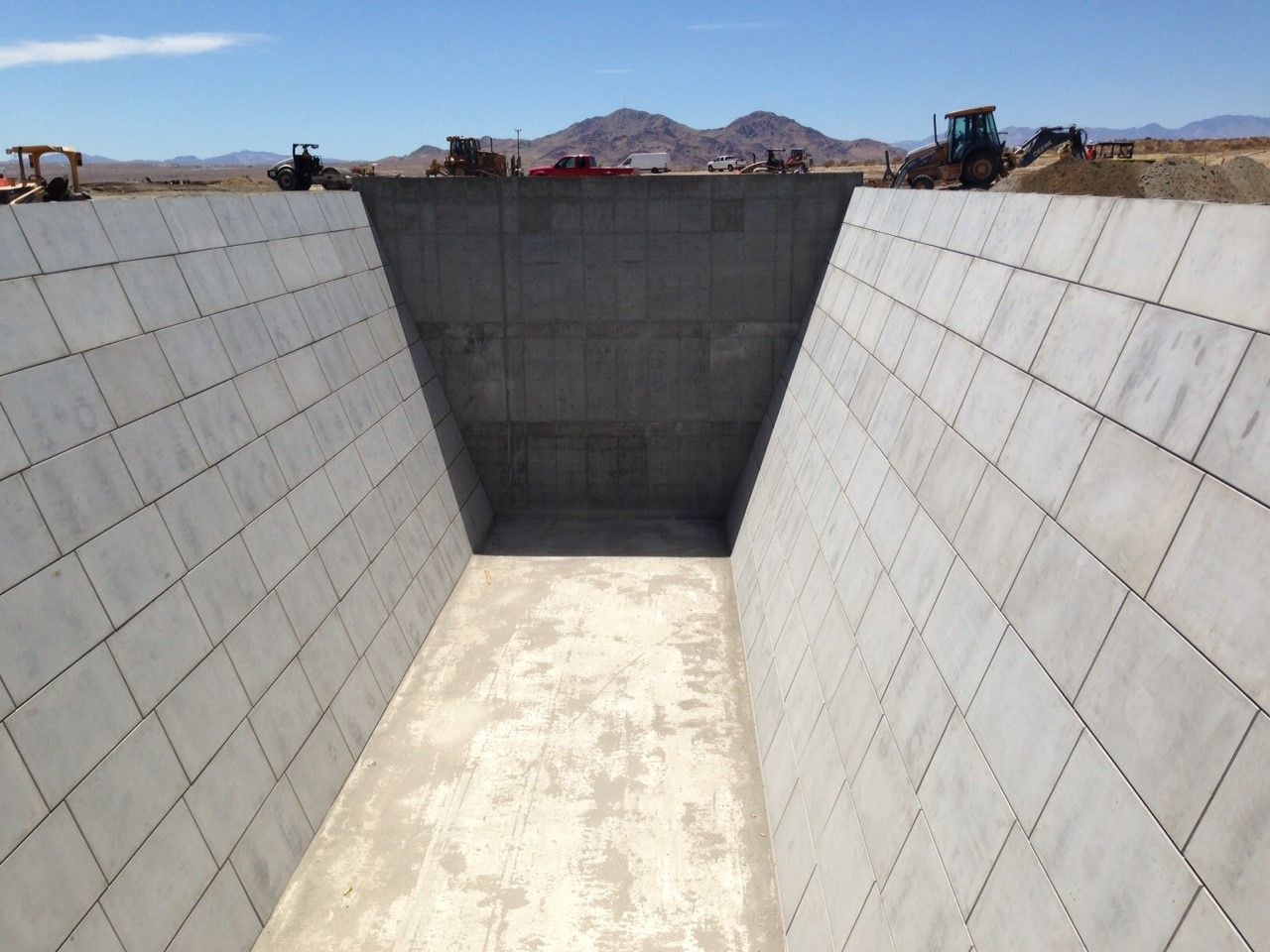
Full Height
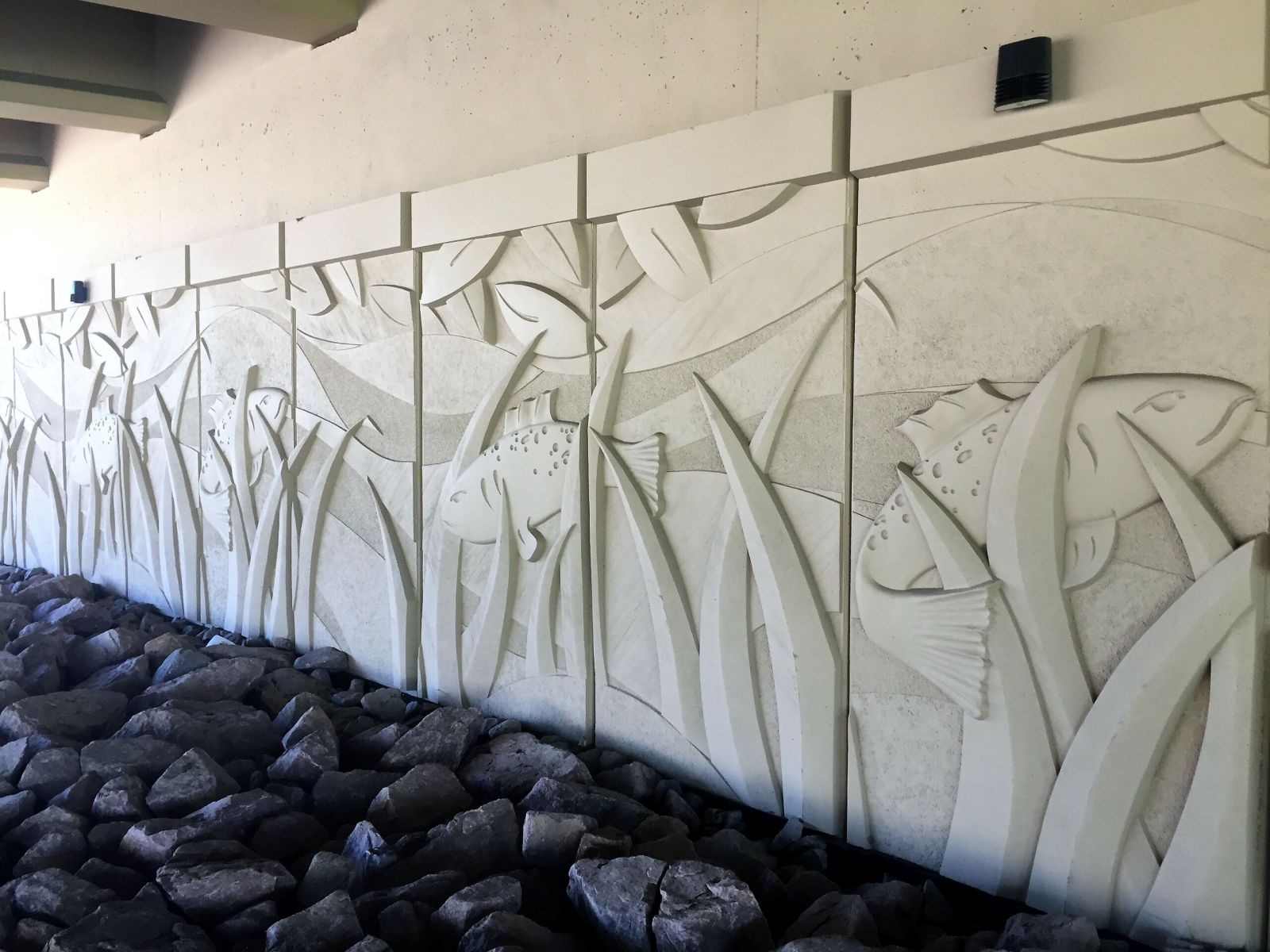
Integrated with Traffic Barrier
Permanent Wire Mesh
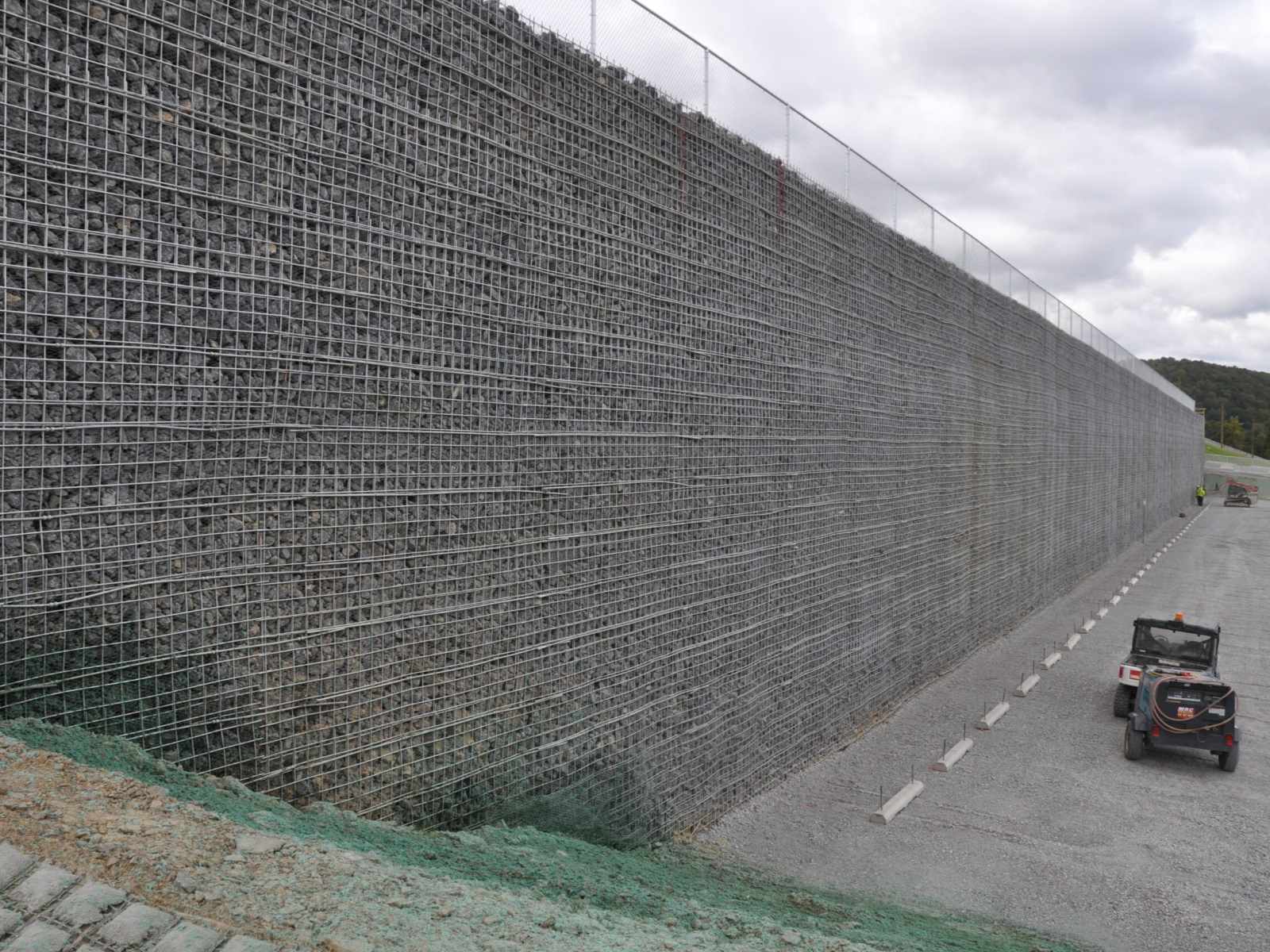
Temporary Wire Mesh
Soil Reinforcements
Soil reinforcements are typically steel or geosynthetic and take the form of strips or ladders. All soil reinforcement options have unique characteristics for pullout and tensile capacity, corrosion and durability.
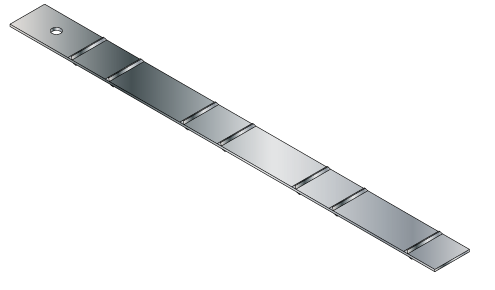
High-Adherence (HA) Ribbed Reinforcing Strips
- Inextensible
- 2″ wide
- Galvanized steel
- High tensile and pullout capacity
- Ideal for most applications
- Bolted connection to facing elements
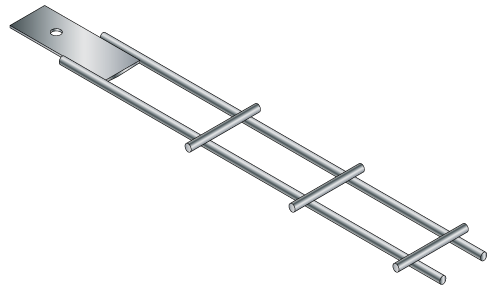
High-Adherence (HA) Ladders
- Inextensible
- 4″ wide (transverse bars)
- Galvanized steel
- Higher pullout capacity and reduced tensile capacity
- Ideal for short height walls, or with lightweight or low strength backfill
- Bolted connection to facing elements
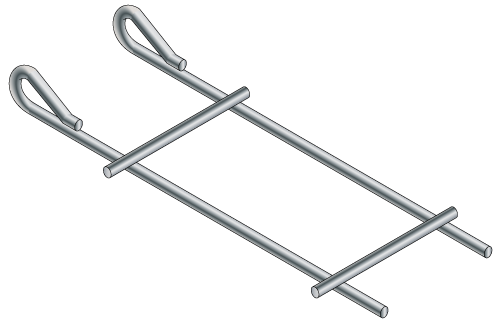
Retained Earth® Two-Wire Wide Ladders
- Inextensible
- 9″ wide (transverse bars)
- Galvanized steel
- Higher pullout capacity and reduced tensile capacity
- Ideal for short height walls, or with lightweight or low strength backfill
- Clevis loop connection to facing elements
Sine Wall® Reinforcing Strips
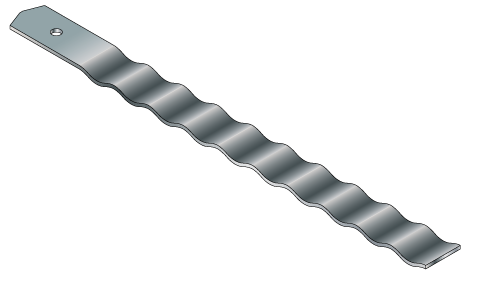
- Inextensible
- 1.5″ to 2.5″ wide
- Galvanized steel
- High tensile and pullout capacity
- Bolted connection to facing elements
GeoStrap® Geosynthetic Reinforcing Strips
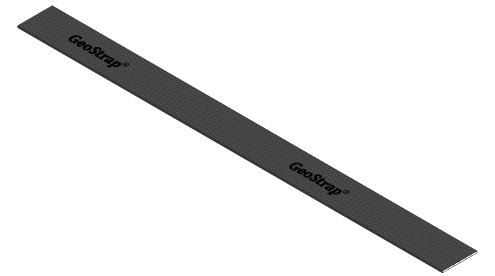
- Extensible
- 2″ wide
- Polyester fibers in a polyethylene sheath
- High tensile and pullout capacity
- Ideal for highly corrosive environments
- Sleeve or wrapped connection to facing elements
Select Backfill
Select backfill allows for reliable construction and performance of the MSE retaining wall, in which the gradation, plasticity, electrochemical properties and overall durability should be closely analyzed. These options can be obtained on-site or from a distributor:
- Soil: A wide range of soil properties will meet specifications, but the ideal select backfill is open-graded with low plasticity and fines content, such as sand or crushed stone. This allows for easy compaction and fast drainage.
- Recycled material: Crushed concrete and other recycled materials can be successfully used as MSE select backfill.
- Lightweight material: In cases where the MSE wall must have a significantly reduced load on the foundation, lightweight material can be used, such as lightweight aggregate, low-density cellular concrete and foamed glass aggregate.
The Benefits of Geoquest USA MSE Walls
Our MSE wall solutions deliver:
- Custom aesthetics and design flexibility
- Exceptional load-bearing performance and natural drainage
- Adaptability for settlement and challenging site conditions
- Streamlined construction for efficient installation
- Bearing pressure distributed over a wide foundation area
- Possibility for extreme wall heights
- High resistance to seismic ground movement and other dynamic forces
- Obstruction accommodations from soil reinforcing strips inside the MSE backfill
- Ability to achieve almost any geometric wall shape
- Superior finish and wall alignment
- Mechanical connection of soil reinforcements to facing units
Work With Our MSE Wall Engineers Today
Partner with Geoquest USA for proven geotechnical infrastructure solutions. Contact our team to discuss your project and bring it to life.


